
Brisk Walking vs. Running: Which is Better for Fat Loss?
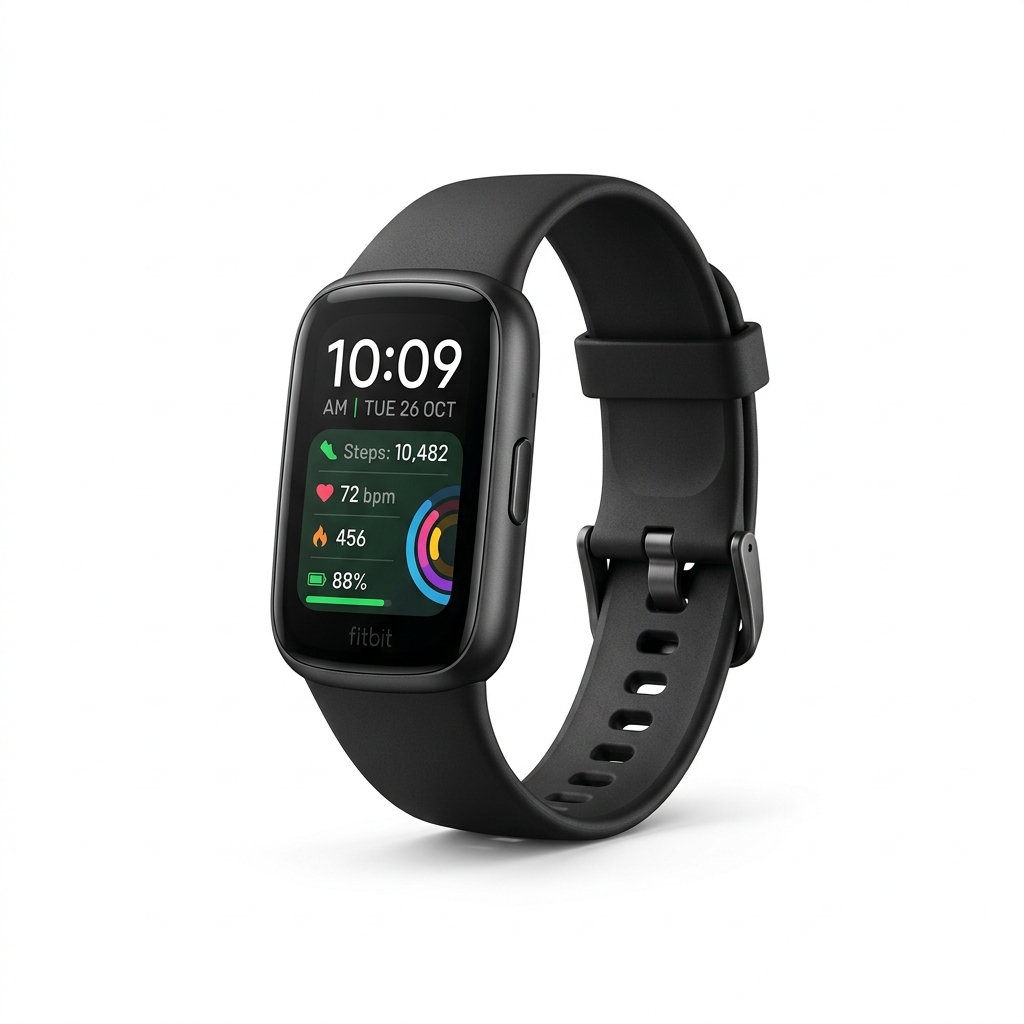
TRACK STEPS.
Fitbit Charge 6GPS & Heart Rate

When it comes to cardiovascular exercise and weight loss, one debate reigns supreme: is it better to walk or run? For decades, running has been held up as the gold standard of fat burning. But modern sports science paints a much more complicated picture.
While running absolutely burns more calories per minute than walking, the true secret to fat loss lies in sustainability, injury prevention, and heart rate zones. Let's break down exactly which modality you should choose for your specific goals.
The Caloric Equation: Intensity vs. Duration
It is an undeniable fact of physics that moving your body at a faster pace requires more energy. A 160-pound person running at 6 mph will burn roughly 700 calories per hour, while that same person walking briskly at 3.5 mph will burn about 300 calories.
If you only have exactly 30 minutes to exercise, running will create a larger caloric deficit. However, most people cannot sustain a run for an hour. Walking, on the other hand, is a low-impact, highly sustainable activity that can be woven throughout your entire day.
Understanding Fat-Burning Heart Rate Zones
The human body uses two primary fuel sources: glycogen (stored carbohydrates) and adipose tissue (stored fat). When you perform high-intensity exercise like running, your heart rate spikes, and your body preferentially burns glycogen for fast energy.
When you walk briskly, your heart rate stays in the 'Zone 2' cardiovascular range (roughly 60-70% of your maximum heart rate). At this lower intensity, your body has enough oxygen to metabolize stored fat directly. While the total calorie burn is lower, the percentage of calories coming directly from fat is significantly higher.
The Cortisol Problem with High-Intensity Cardio
For individuals who are already stressed, chronically sleep-deprived, or in a steep caloric deficit, running can actually stall weight loss. Intense cardiovascular exercise spikes cortisol levels. While acute cortisol is natural, chronic cortisol elevation can lead to water retention and increased appetite.
Walking, conversely, has been shown to actively lower cortisol levels, acting as a parasympathetic nervous system regulator. This makes it a much safer tool for long-term body composition changes.
Which Should You Choose?
- Choose Running If: You are short on time and need to maximize total caloric expenditure quickly.
- Choose Running If: You are highly conditioned and have no preexisting knee or hip joint issues.
- Choose Walking If: You want to prioritize direct fat oxidation without spiking your hunger hormones.
- Choose Walking If: You are significantly overweight, making high-impact joint stress dangerous.
Not sure how much you need to walk to hit your goals? Use our Step-Up Weight Loss Calculator to determine exactly how many steps you need to burn fat based on your personal metrics.