
Walking for Weight Loss: How Many Steps Do You Really Need?
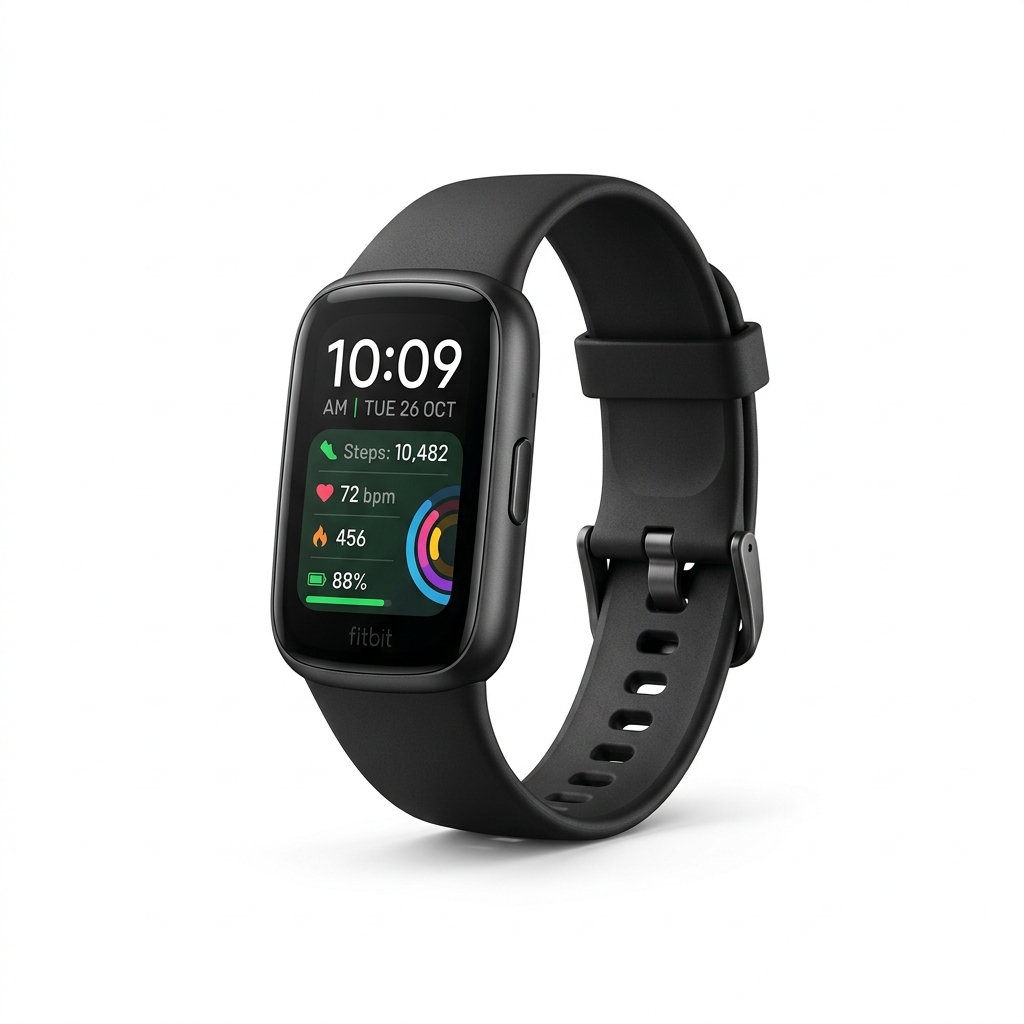
TRACK STEPS.
Fitbit Charge 6GPS & Heart Rate

Walking is one of the most effective and sustainable ways to lose weight. It requires no gym membership, no complex programming, and no extreme intensity. But the real question most people ask is simple: how much walking do you actually need to lose weight?
The answer depends on calorie balance, body weight, pace, and consistency. Below, you will learn how walking supports fat loss, how many steps you may need per day, and how to structure a realistic walking plan.
Is Walking Good for Weight Loss?
Yes. Walking supports weight loss by increasing daily calorie expenditure. When you burn more calories than you consume, your body uses stored fat for energy.
Unlike high-intensity workouts, walking is low impact and easier to maintain long term. Sustainability is what makes walking powerful for fat loss.
How Weight Loss Actually Works
Weight loss occurs when you create a calorie deficit. One pound of body fat roughly equals 3,500 calories.
If you create a 500 calorie daily deficit through activity, diet, or both, you can theoretically lose about one pound per week.
Walking contributes to that deficit by increasing the number of calories you burn each day.
How Many Steps Per Day to Lose Weight?
There is no single number that works for everyone, but here are general guidelines:
- 5,000 to 7,000 steps per day: maintenance range for many adults
- 7,000 to 10,000 steps per day: mild fat loss range when combined with diet control
- 10,000 to 15,000 steps per day: stronger calorie burn and more aggressive fat loss
Your body weight matters. Heavier individuals burn more calories per step. Lighter individuals may need more steps to create the same deficit.
How Many Calories Does Walking Burn?
Calorie burn depends on body weight and pace. For example:
- 150 lbs: 10,000 steps may burn 300 to 400 calories
- 200 lbs: 10,000 steps may burn 450 to 550 calories
- 250 lbs: 10,000 steps may burn 550 to 650 calories
Brisk walking or incline walking increases these numbers significantly.
Is 10,000 Steps Enough for Weight Loss?
For many people, yes. If 10,000 steps creates a calorie deficit when combined with controlled calorie intake, weight loss will occur.
However, if calorie intake remains high, 10,000 steps alone may not produce fat loss.
Walking is a tool. Diet determines the final outcome.
How Fast Should You Walk for Fat Loss?
Brisk walking is generally more effective than slow strolling. A pace where you can talk but not sing is a good intensity target.
Increasing speed increases calorie burn without requiring extra time.
Incline Walking vs Flat Walking
Incline walking increases calorie burn significantly because it engages more muscle groups, especially glutes and hamstrings.
Even a small incline can meaningfully increase total calorie output compared to flat ground walking.
How Long Does It Take to See Results?
Most people notice changes within 3 to 6 weeks when walking consistently and maintaining a calorie deficit.
Visible fat loss depends on starting weight, nutrition, sleep, and stress levels.
Common Mistakes When Walking for Weight Loss
- Overestimating calorie burn
- Underestimating calorie intake
- Increasing steps too quickly and causing injury
- Ignoring progressive increases in intensity
Consistency and gradual progression are more important than extreme daily targets.
Walking Plan for Beginners
Week 1 to 2: 6,000 to 7,000 steps per day
Week 3 to 4: 8,000 to 9,000 steps per day
Week 5 and beyond: 10,000 or more steps per day based on recovery and schedule
Pair walking with moderate calorie control for best results.
Final Thoughts on Walking for Weight Loss
Walking is simple, accessible, and effective. The key is consistency and understanding how many calories you are actually burning.
If you want precise numbers based on your body weight and step count, use a steps to calories calculator to plan your daily targets accurately.
Small daily improvements add up. Build the habit and let consistency do the work.