
How Walking Speed Affects Calorie Burn: Brisk Walking vs. Strolling
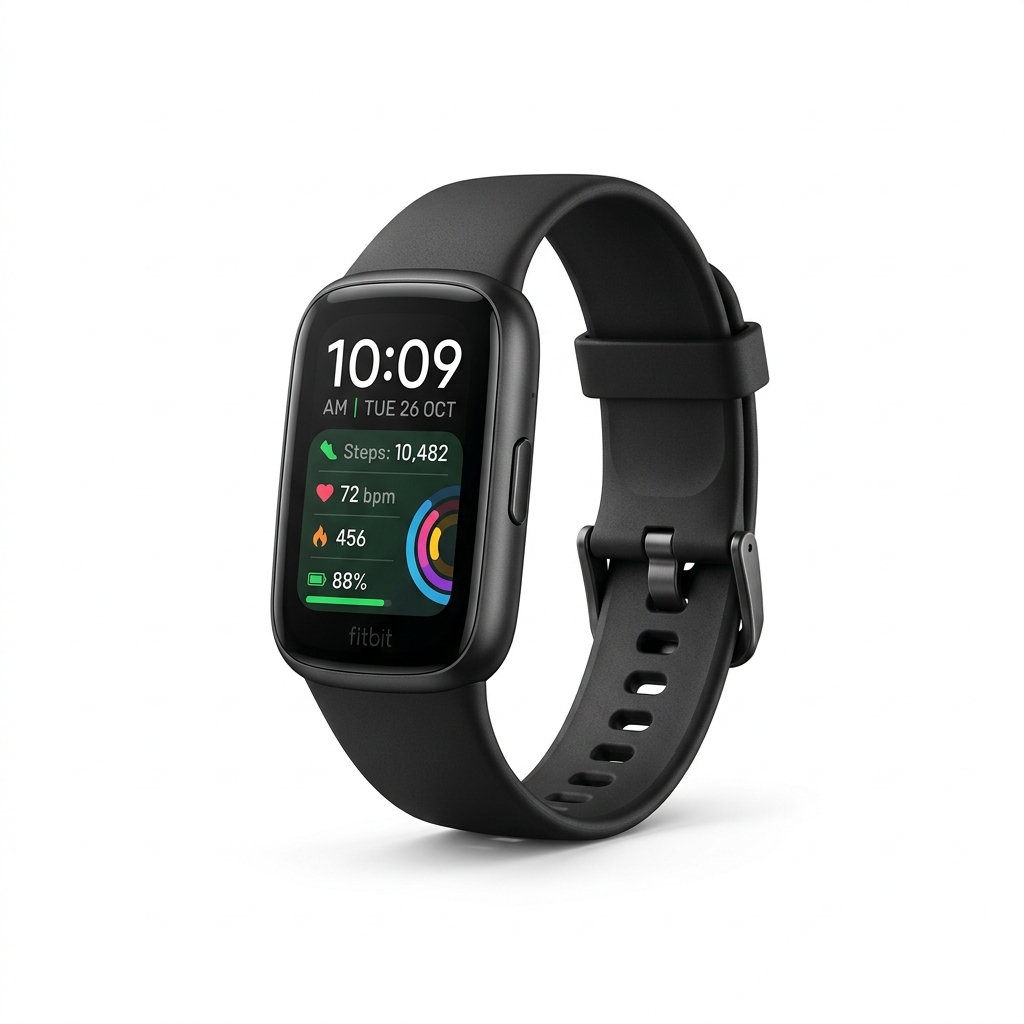
TRACK STEPS.
Fitbit Charge 6GPS & Heart Rate

Walking is one of the most accessible and sustainable ways to burn calories, improve cardiovascular health, and support long-term weight management. However, not all walking delivers the same results. The speed at which you walk directly impacts how many calories you burn, how your body uses energy, and how efficient your workouts are over time.
If your goal is fat loss or maximizing results in less time, your walking pace becomes one of the most important variables you can control. A slow stroll may feel easy, but increasing your speed even slightly can dramatically increase your calorie burn per minute.
Why Walking Speed Matters
Calorie burn is driven primarily by two factors: intensity and duration. Walking faster increases intensity, which forces your body to use more oxygen, recruit more muscle fibers, and elevate your heart rate. This leads to significantly higher calorie burn in less time compared to walking slowly.
In simple terms, you can either walk longer at a slow pace or walk faster and get equal or better results in a shorter amount of time. For most people, increasing speed is the more efficient strategy.
The Science: METs and Energy Output
Exercise intensity is measured using Metabolic Equivalents (METs). One MET represents the energy your body uses at rest. As activity intensity increases, the MET value increases as well, meaning more calories are burned.
- Strolling (2.0 mph): ~2.5 METs
- Moderate Walking (3.0 mph): ~3.5 METs
- Brisk Walking (3.5–4.0 mph): ~4.3–5.0 METs
That increase in MET value is why brisk walking can burn 50% or more calories per minute compared to a slow stroll. Over time, this difference compounds into significantly better results.
Brisk Walking vs. Strolling
Strolling (2.0–2.5 mph)
Strolling is low intensity and easy to maintain for long periods. It is ideal for beginners, recovery days, or improving mobility. It places minimal stress on joints and muscles, making it a sustainable daily activity.
However, the downside is efficiency. Because the intensity is low, calorie burn is limited. A 150 lb person may only burn around 150 to 180 calories per hour at this pace, meaning it takes significantly more time to create a meaningful calorie deficit.
Brisk Walking (3.0–4.0 mph)
Brisk walking increases your heart rate into a moderate-intensity zone, where your body burns both fat and carbohydrates for energy. Your breathing becomes more controlled but slightly elevated, and your body begins working harder overall.
At this pace, a 150 lb person can burn closer to 250 to 320 calories per hour. Over the course of a week, this difference becomes substantial and can accelerate weight loss results without requiring more time.
Additionally, brisk walking can create a small afterburn effect (EPOC), meaning your body continues to burn calories even after the walk is complete.
How to Maximize Calorie Burn While Walking
If you want better results from your walking routine, speed is just one lever. Combining multiple strategies can significantly increase total calorie burn.
- Add Incline: Walking uphill or adding incline on a treadmill increases resistance and activates more muscle groups, especially glutes and hamstrings.
- Use Intervals: Alternate between slow walking and short bursts of fast walking to increase intensity and improve endurance.
- Increase Step Count: More total steps means more total calories burned, regardless of pace.
- Engage Your Arms: Actively swinging your arms helps maintain speed and slightly increases energy expenditure.
The Bottom Line
Walking speed is one of the most effective ways to increase calorie burn without increasing time. While any movement is beneficial, walking faster delivers significantly better results for fat loss and cardiovascular health. Your total calorie burn still depends on your body weight and overall activity level, so it is important to understand your baseline. Learn how body weight impacts calorie burn or calculate your exact results using our steps to calories calculator.